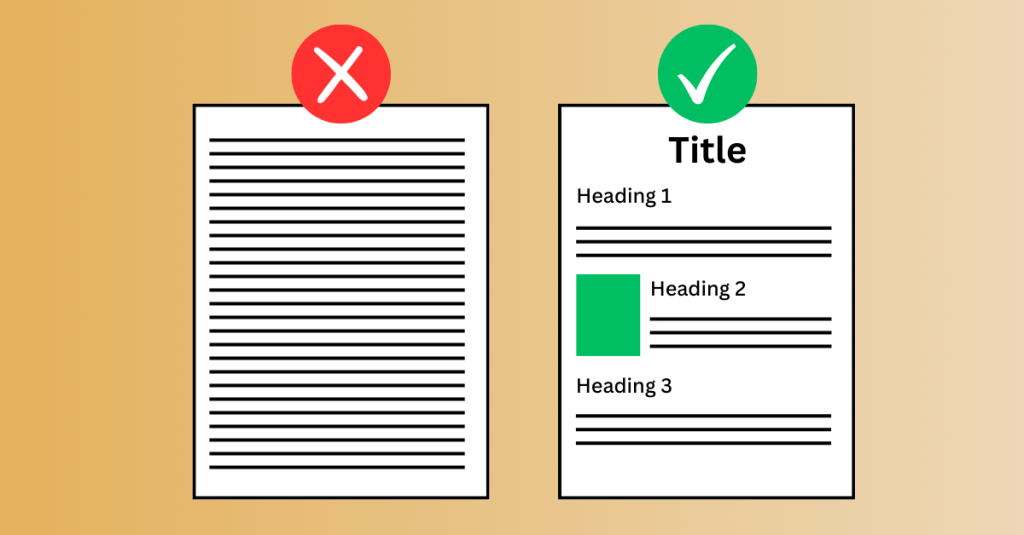
Have you ever felt lost and confused in a sea of words, trying to decipher complicated sentences? Writing that’s both clear and inviting takes practice. This week, I took a dive into William Zinsser’s On Writing Well, uncovering techniques that transform cluttered text into meaningful, easy-to-follow prose. Here’s a look at two lessons I am going to adopt to write understandable and easily digestible blogs.
- Simplicity is Key
- Creating Structure
Simplicity is Key
In the past, I thought that using complex vocabulary would make my writing more sophisticated and professional. However, Zinsser argues that simplicity is the true indicator of strong writing. Cluttered words and over-complicated phrasing can easily obscure meaning. The goal should be to make your writing as easy as possible for readers to understand, making it feel like a smooth transaction between writer and reader.
Zinsser emphasizes that clear writing requires cutting out unnecessary words, jargon, and any complex language that might confuse readers. Simplicity requires discipline, and often the final, concise product is the result of several rounds of revision. When I began working as a school’s Communications Specialist a few years ago, I experienced this firsthand. In the first website article I was asked to write, I leaned toward formal language and complex vocabulary, the style of prose that I would use throughout my college essays. My boss pointed out that simplifying my sentences would make the article more accessible to our audience. It was a lesson that stuck with me: the clearer my writing, the more powerful it becomes for the reader.
Creating Structure
We’ve all skimmed past a big block of text, right? I know I have. A wall of advanced words can feel overwhelming. Structure invites readers in, breaking down ideas into digestible pieces. As the article “16 Blog Rules” suggests, using headers, lists, short paragraphs, and readable font sizes is essential for online writing. This visual structure not only enhances the reader’s experience but also makes it easier to find specific information.
The “AU Style Guide” notes that structured writing also improves search engine optimization, increasing the chances of your article reaching a wider audience. With structured, easy-to-read writing, readers are more likely to stay engaged and ultimately get the most out of what you have written.
Final Thoughts
Incorporating clarity, simplicity, and structure is essential to create effective communication pieces. I hope these tips make this blog post both enjoyable and easy to read. Let me know, did you find it easy to navigate and understand? Fine-tuning my writing is a work in progress. Remember, simplicity is the way to go!
 Christian Schaaf's Blog + Portfolio