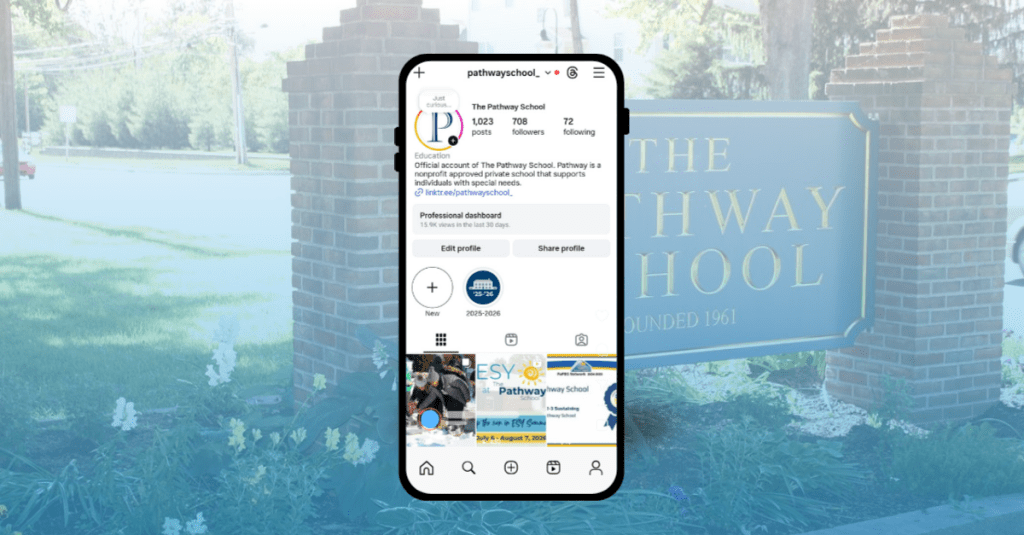
Having a social media presence is often treated as a box to check. Many organizations post consistently and share updates but struggle to connect those efforts to meaningful outcomes. In Social Media ROI, Olivier Blanchard argues that simply being present on social media is ineffective unless organizations use those platforms to achieve business objectives. This is where organic social media content becomes critical. Organic content includes any unpaid posts, photos, videos, Stories, or Reels shared on social platforms. While it does not require an advertising budget, it does require strategy, intention, and measurement.
When used effectively, organic social media can build awareness, foster community, and drive meaningful actions. However, success depends on aligning content with clear goals and understanding audience behavior. This post analyzes the organic social media performance of The Pathway School and proposes a data-driven strategy to improve engagement, reach, and conversions.
Setting the Foundation: SMART Goals and Audience Understanding
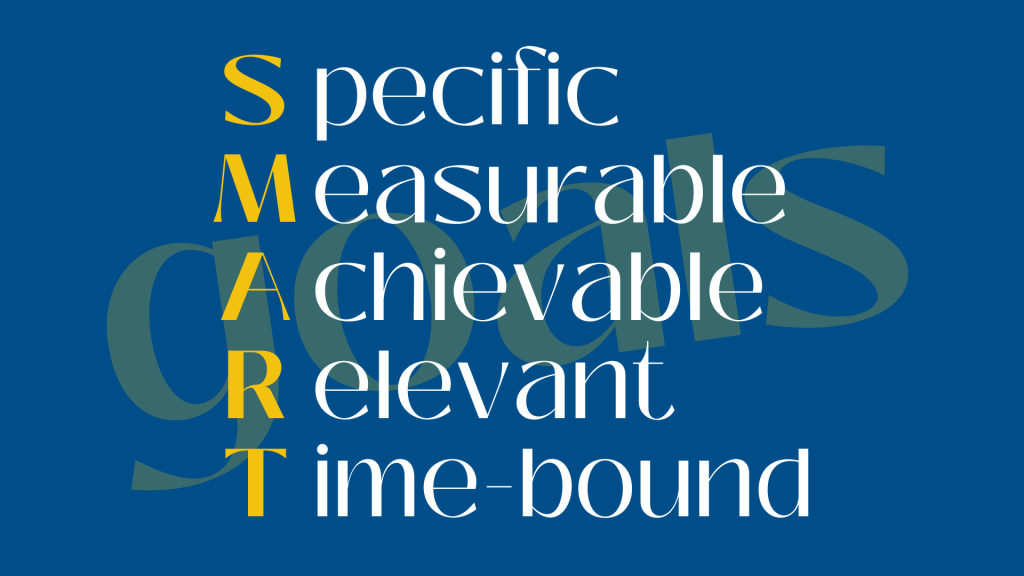
In The Marketing Campaign Playbook, Sharon Lee Thony emphasizes the importance of setting SMART objectives when developing a marketing strategy. SMART goals are specific, measurable, achievable, relevant, and time-bound. These types of goals create a roadmap for content creation and measurement.
Thony also stresses that understanding the audience is essential. Organizations must know who their audience is, what platforms they use, when they are active, and what type of content resonates with them. Without this understanding, even consistent posting can fall flat.
Brand Background: The Pathway School
The Pathway School is a nonprofit K–12 special education school whose mission is to support students with special education needs. The school maintains an active presence on Instagram and Facebook to reach families, donors, alumni, and community supporters. These platforms are used to share school news, highlight student successes, promote fundraising efforts, and showcase programs across campus.
To evaluate organic performance, I used Instagram Insights, Facebook’s Professional Dashboard, and Sprout Social to analyze content performance over the past 90 days.
Instagram Performance Analysis
The Pathway School’s Instagram account currently has 708 followers. Over the past four months, content received 90,431 views, with 59.1% coming from followers and 40.9% from non-followers. This indicates that content is reaching beyond the existing audience, which is a strong signal for organic growth. Accounts reached increased by 61% compared to the previous 90-day period, reaching 1,573 accounts. Profile activity also rose significantly, with 2,437 actions, representing a 53.7% increase.
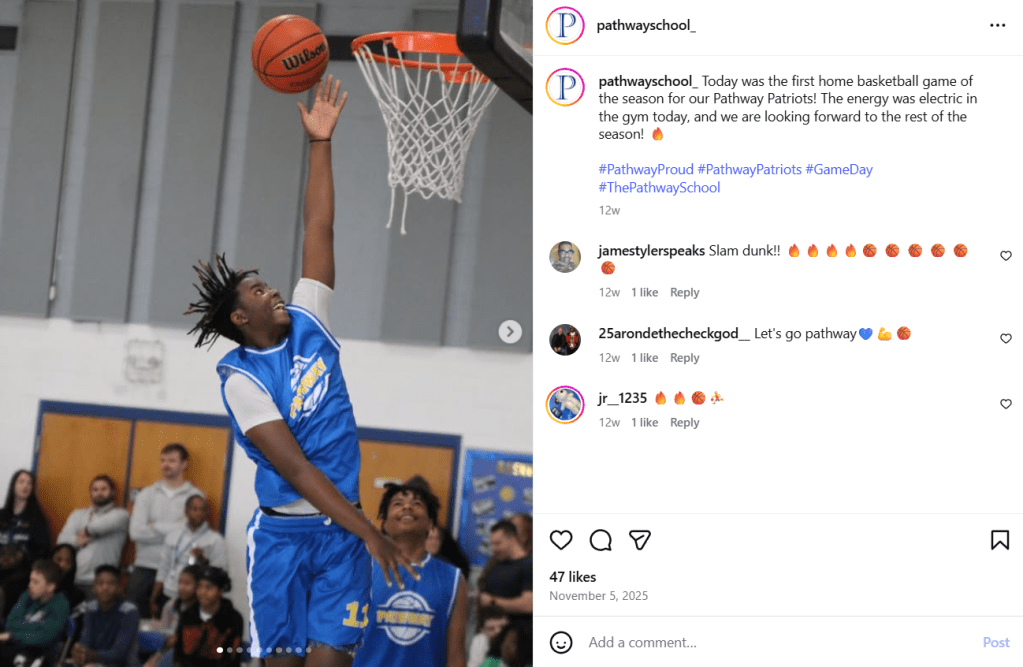
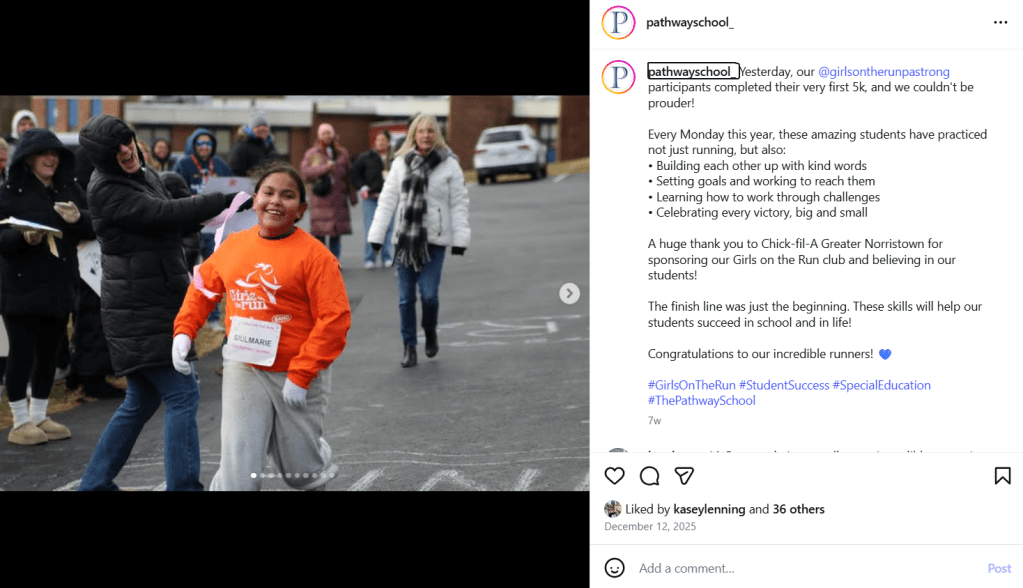
In terms of interactions, Instagram content generated 1,423 total interactions over the past 90 days. These included 875 likes, 41 comments, 37 saves, 197 shares, and 41 reposts. The content that performed best in terms of views and likes consisted of still-photo posts highlighting student-centered stories, including a basketball team win, Spirit Week celebrations, and the first Girls on the Run 5K hosted on campus. These posts used storytelling to showcase student achievements and community pride. The posts can be viewed below.
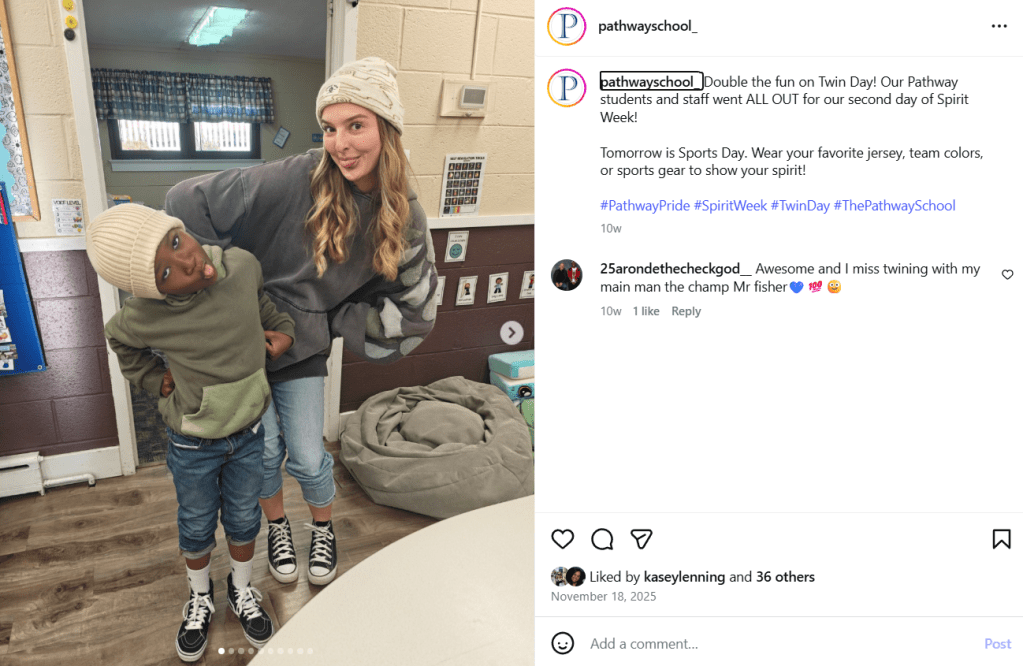
Follower growth increased by 3.1%, adding 21 new followers. Audience demographics show that the largest age groups are 35–44 (28.1%), 25–34 (24.4%), and 45–54 (18.2%), with women representing 64% of followers. Most followers are located in the Philadelphia area, aligning well with the school’s geographic focus.
However, posts related to upcoming fundraisers were among the lowest-performing content in terms of likes, comments, and saves. This suggests that purely promotional content struggles to gain engagement without a strong storytelling component.
Facebook Performance Analysis
Facebook analytics reveal a larger but slightly older audience. The Pathway School’s Facebook has 2,142 Facebook followers, a 1% increase over the past 90 days. Content received 70,719 views during this period, representing a 52% increase from the previous quarter. Total engagement reached 7,340 interactions.
Multi-photo posts performed the strongest, accounting for 53.1% of engagement, followed by Reels at 25.2% and single-photo posts at 18.1%. Reactions were the most common form of engagement at 1,800, followed by 150 comments and 58 shares. The top age group on Facebook was 45–54 (26%), followed by 35–44 (21.9%) and 55–64 (18.9%). This older demographic aligns well with donors, alumni, and family members.
Cross-Platform Insights from Sprout Social
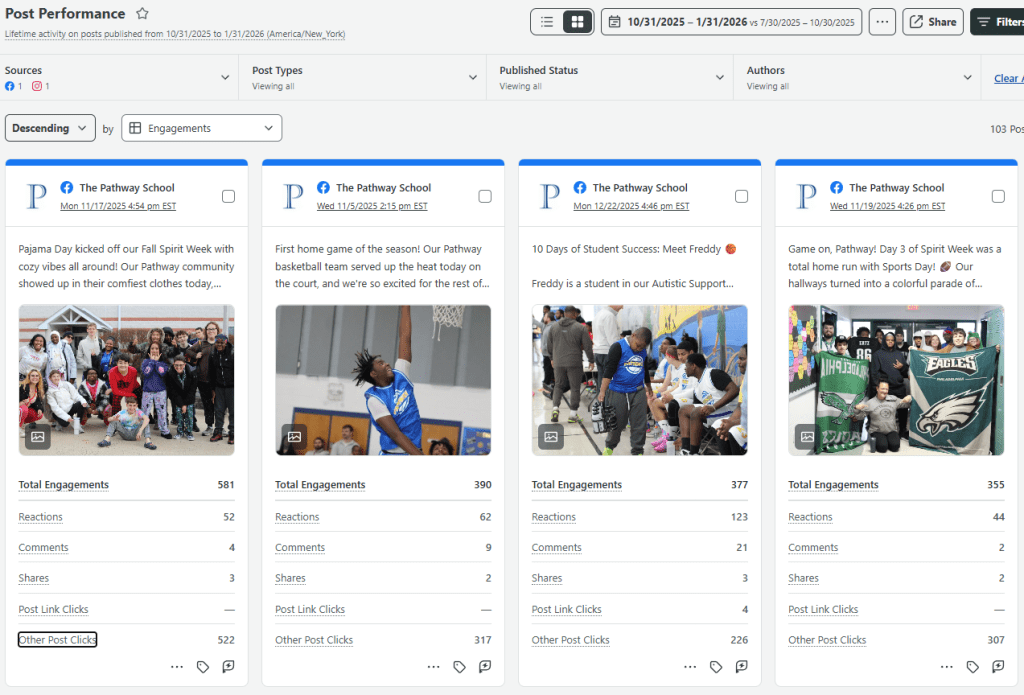
Using Sprout Social to compare organic posts across Instagram and Facebook revealed several key trends. Posts with the highest total engagement were consistently on Facebook, likely due to the platform’s larger follower base. The top-performing posts across both platforms featured student successes and campus-wide events, particularly basketball games and Spirit Week celebrations.
These posts featured multiple images highlighting a variety of students and activities, which contributed to higher reactions and comments. Their primary goal was to drive engagement through storytelling and community connection.
In contrast, the post with the highest number of post link clicks was tied to a fundraising effort for the school’s year-end appeal. This post was part of the “10 Days of Student Success” campaign, which highlighted a different student story each day with a clear call-to-action to donate. Compared to fundraising posts that did not include photos of students, these campaign posts generated more shares and higher conversion activity. This reinforces that storytelling-driven fundraising content is more effective than promotion-only posts.
Strengths, Trends, and Opportunities
This data highlights key strengths, trends, and opportunities that can further strengthen The Pathway School’s organic social media strategy.
Strengths
A primary strength across both platforms is authentic storytelling. Posts featuring real students, real moments, and real outcomes consistently outperform graphic-only or announcement-based content. This approach not only drives higher engagement but also builds trust, which is critical for a nonprofit organization.
Consistent posting frequency is another strength. Posting two to four times per week maintains visibility without overwhelming followers and supports algorithmic reach, as platforms favor accounts that post regularly within a defined niche.
Visual variety also contributes to performance. Multi-photo posts and carousels perform especially well on Facebook, while Instagram benefits from a mix of still images and video. This variety allows the school to showcase diverse students and activities, reinforcing inclusivity across campus.
Finally, active community management strengthens relationships. Liking and responding to comments signals that the school values conversation and connection with its audience.
Trends
Engagement is highest when posts highlight shared campus experiences. Events such as Spirit Week, athletics, and school celebrations generate more reactions and comments than individual announcements by fostering collective pride.
Another clear trend is that story-driven fundraising outperforms promotion-driven fundraising. Posts that feature student stories and photos receive more shares and engagement than graphic-only fundraising posts, indicating that emotional connection motivates action.
Audience demographics reveal a platform split. Instagram skews younger (35–44), while Facebook skews older (45–54), suggesting that families may be more active on Instagram, while donors and long-term supporters are more reachable on Facebook.
Opportunities for Improvement
One major opportunity is to better balance engagement and conversion content by pairing clear calls-to-action with emotional storytelling, especially during fundraising campaigns.
There is also an opportunity to expand storytelling beyond current students by regularly featuring alumni success stories, reinforcing long-term impact for donors and families.
Increasing behind-the-scenes classroom content would showcase learning in action, helping move audiences from awareness to consideration by demonstrating how the school fulfills its mission daily.
These types of content could be shared as short-form video. Although Reels already generate meaningful engagement, they are not yet used to their full potential. Because algorithms prioritize watch time and completion rates, expanding this format presents an opportunity for growth.
Proposed Organic Social Media Strategy
Using the strengths, trends, and opportunities identified above, the following organic social media strategy is designed to intentionally balance engagement and conversions for The Pathway School.
1. Clearly Defined Goals
To move from posting consistently to posting strategically, The Pathway School’s goals include:
- Increase brand awareness and reach by showcasing student success, campus life, and inclusive education practices. Increased reach by 10% over the next three months.
- Strengthen engagement and community trust through storytelling, conversation, and two-way interaction. Increase engagement rates by 5% over the next three months.
- Support conversions by developing fundraising content that features real student stories rather than graphic-only promotions. Increase conversion rates by 10% over the next three months.
2. Target Audience Persona
The data reveals a primary persona across platforms:
Primary Persona: “The Pathway Supporter”
- Age: 35–54
- Gender: Primarily women
- Location: Greater Philadelphia area
- Relationship to Pathway: Parent, caregiver, donor, alum, or community advocate
- Motivations: Supporting student success, inclusion, long-term impact, and community well-being
- Platform Behavior: Engages most with student stories, campus-wide events, and impact-driven content
This persona explains why storytelling posts perform well and why donor-focused content is more successful when it features students rather than graphics.
3. Tailored Content
Content includes the following categories:
- Student & Alumni Success Stories (Engagement + Conversion): These posts generate the highest likes, comments, and shares, especially when tied to fundraising campaigns.
- Campus Life & Community Moments (Engagement): Events like Spirit Week and athletics consistently drive reactions and comments by highlighting shared experiences.
- Learning in Action (Engagement): Behind-the-scenes classroom content addresses an opportunity to better showcase academic and therapeutic impact.
- Donor & Supporter Voices (Conversion): Testimonials can humanize fundraising efforts and strengthen emotional motivation to donate.
- Fundraising & Calls-to-Action (Conversion): Data shows fundraising posts perform best when paired with student stories rather than standalone graphics.
4. Consistent Posting Schedule and Content Calendar
Based on current posting success and algorithm best practices, I recommend three to five posts per week across Instagram and Facebook. Consistency supports algorithmic reach while reinforcing the school’s niche and brand voice. Below is an example content calendar. The posts are during the week because that is when The Pathway School’s audience is most active on Instagram and Facebook.

5. Active Community Engagement
Data shows that engagement increases when the school actively participates in conversation. The school should:
- Reply to comments with thoughtful responses, not just likes
- Ask questions in captions to invite dialogue
- Acknowledge donors, families, and supporters in comments when appropriate
- Re-share tagged content from families, staff, or supporters
This approach reinforces trust and aligns with the goal of strengthening community engagement.
6. Performance Tracking and Optimization
To ensure accountability and improvement, performance should be tracked monthly using platform analytics and Sprout Social. Key metrics should include:
- Engagement metrics: likes, comments, shares, saves, reactions
- Reach metrics: accounts reached, non-follower reach, video views
- Conversion indicators: link clicks, shares on fundraising posts, profile actions
Posts should be reviewed by goal category (engagement vs. conversion) to evaluate success appropriately, and tracking performance with these metrics ensures that organic social media efforts are aligned with organizational objectives.
Conclusion
Organic social media content is most effective when it is intentional, measured, and aligned with organizational goals. The Pathway School’s current strategy successfully builds engagement through storytelling and community-focused content. By strengthening short-form video, expanding storytelling into fundraising efforts, and setting clear objectives for each post, the school can better balance engagement and conversions. Grounded in data and guided by strategic frameworks, organic social media can move from simple presence to purposeful impact.
 Christian Schaaf's Blog + Portfolio