
I’ve always been someone who sees the story first. Growing up, I loved “painting the picture” for friends and family and bringing ideas to life through words, visuals, and creativity. I was especially drawn to commercials, films, and design: the kind of content that makes you stop, watch, and feel something.
That early interest grew into a passion for content creation and brand storytelling. Over the past five years, I’ve refined a process that helps me turn ideas into content that is both intentional and impactful.
If you’re a content creator, marketer, or designer, this is for you.
What Is Content Creation?
Before diving into the process, it’s important to define what content creation actually is.
“Content creation is the process of developing and sharing media in various formats to reach and engage your target audience.”
Alex Lindley
At its core, content creation is about connection. It’s not just about making something look good; it’s about creating something people feel.
My 4-Phase Content Creation Process
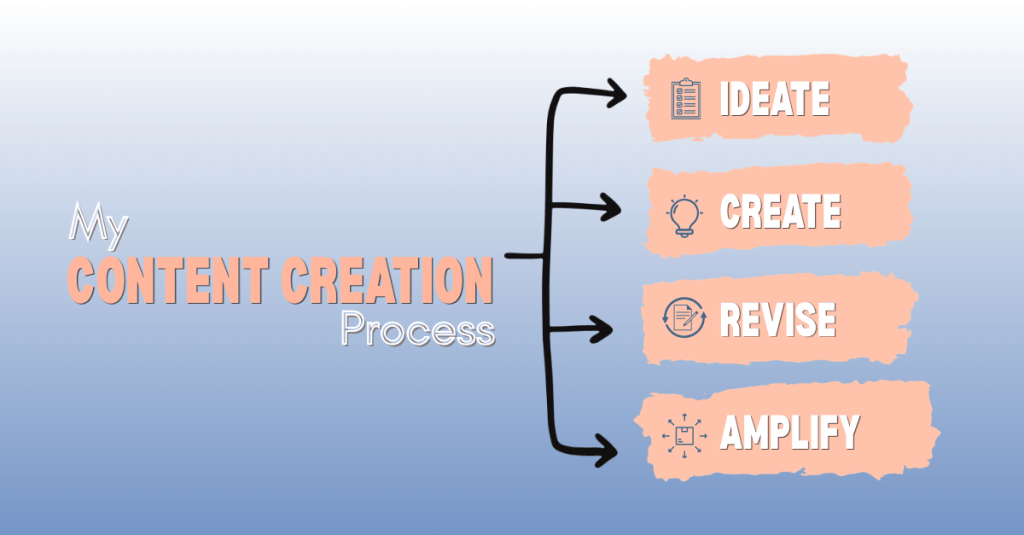
I follow a simple four-phase process inspired by Angela Tague’s framework: Ideate, Create, Revise, and Amplify. Each phase builds on the last to ensure the final content is both strategic and engaging.
Phase 1: Ideate
Every piece of content starts with an idea, but strong ideas don’t happen by accident. This phase is all about aligning creativity with strategy. Before I design anything, I take time to understand the audience, explore trends, and organize my thoughts. I create mind maps to generate ideas and tools like Trello to keep everything structured. This step sets the foundation for everything that follows.
Questions to ask:
- Who is this content for?
- What problem does it solve?
- Does this align with my brand or message?
- Would I engage with this if I saw it online?
Phase 2: Create
When the idea is clear, it’s time to bring it to life. This is where strategy turns into visuals, copy, and content that people can actually see and interact with. While this phase is more hands-on, I always stay grounded in the original goal to make sure the content stays focused and effective.
Questions to ask:
- Does this still align with the core idea or goal?
- Has the idea evolved in a way that improves the final outcome?
- Is the message clear and easy to understand?
- Would I stop and engage with this if I saw it online?
Phase 3: Revise
Content rarely comes out perfect on the first try. The revision phase is where I step back and refine the work to make it stronger. This includes editing for clarity, improving design elements, and getting feedback from others. Even small changes can make a big difference in how the content is understood and received.
Questions to ask:
- Is the message as clear as possible?
- What can be simplified or improved?
- Would someone outside of my field understand this?
Phase 4: Amplify
Creating great content is only half the job. Making sure it reaches the right audience is just as important. In this phase, I focus on distribution and performance. This includes optimizing for SEO, posting across platforms, and thinking about how the content can be repurposed. The goal is to extend the life of each piece of content and maximize its impact.
Questions to ask:
- Where will this content perform best?
- How can I repurpose this for other platforms?
- Is it easy for my audience to find and engage with?
Why This Process Matters
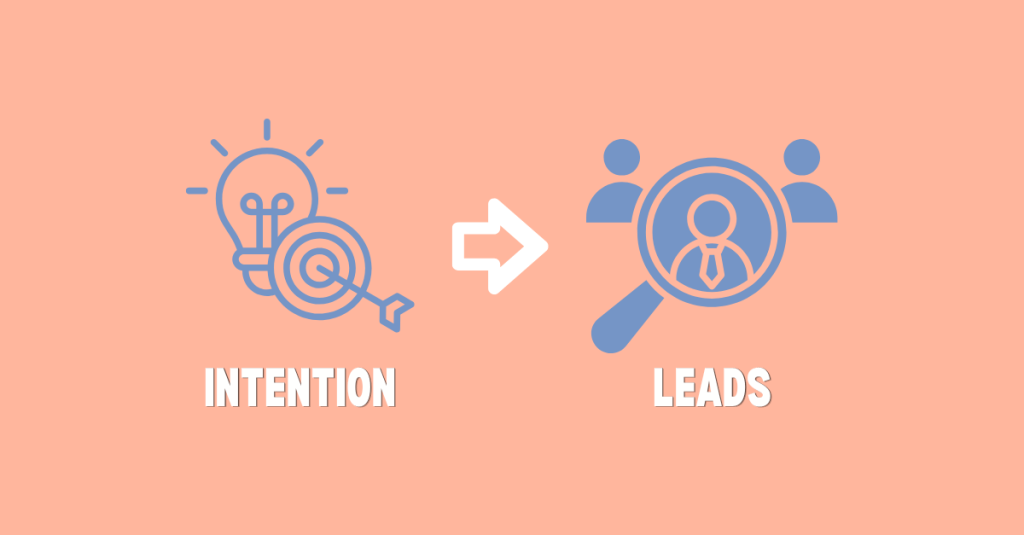
Having a clear content creation process makes everything more consistent and effective. It helps streamline production, keeps messaging aligned, and ensures that each piece of content has a purpose.
“Every piece of content should help build your brand so that you become the first person people think of when they have a need you can fill.”
Jon Loomer, The Secret to Consistent Content Creation
This idea has stuck with me. Content is not random; it’s intentional.
Tools That Support My Process
The right tools can make a measurable difference, but more importantly, it’s about how you use them. These are a few tools I use to bring ideas to life:
- Canva (design)
- Adobe Creative Cloud (professional design tools like Photoshop, Illustrator, and InDesign)
- Google Trends (research and idea validation)
- Lightroom (photo editing)
- Audacity (audio recording and editing)
- Trello (content planning and organization)
Each of these tools plays a role at a different stage of my process: from brainstorming ideas to executing and refining content.
If you’re looking to explore more options, 22 Best Content Creation Tools for Creators by Cecilia Meis is a great resource to get started.
Create with Purpose
Content creation is more than just making posts; it’s about telling a story with purpose. From idea to execution, every step plays a role in building something meaningful.
When you approach content with both strategy and creativity, you don’t just create: you connect.
Ready to put this process into action? Download my content creation checklist and use it the next time you create.
Happy creating!
 Christian Schaaf's Blog + Portfolio