Audience segmentation is one of the most powerful tools in paid social media marketing. Instead of sending the same message to everyone, brands divide audiences into smaller groups based on shared characteristics. This allows them to deliver personalized messaging that improves engagement, lowers wasted ad spend, and increases conversions.
In this post, I analyze how Nike uses demographic, geographic, behavioral, and psychographic segmentation to improve paid social performance. Using SEMrush data and competitor comparisons, I translate audience insights into actionable paid social strategies, including Custom Audiences and Lookalike Audiences.
Nike’s Target Audience: What the Data Shows
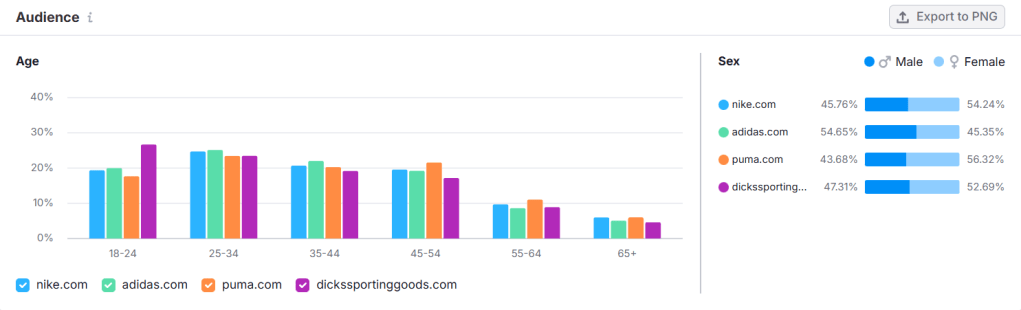
Using SEMrush Traffic Analytics tool, I analyzed nike.com and compared it to competitors and other popular searches like Adidas, Puma, and Dick’s Sporting Goods.
Key Demographic Insights
- Age: The largest segment is 25–34 (25%), followed by 35–44 and 45–54.
- Gender: 54.24% female, 45.76% male.
- Top Countries: United States (31.9%), United Kingdom (9.22%), Germany (5.94%).
- Device Usage: 71.57% mobile vs. 28.43% desktop.
- Income: Primarily low (46.51%) and middle income (39.51%).
- Employment: Nearly half work full-time.
- Education: Compulsory school and university-level education are nearly equal.
Behavioral & Interest Patterns
Nike users frequently visit retail and fashion sites and consume mass media content. Social platform usage is strongest on YouTube (57.21%), followed by Instagram and Facebook. Competitor overlap suggests consumers compare brands before purchasing.
Turning Research Into Paid Social Segments
Based on this data, Nike could build three primary paid social audience segments:
- Performance-Driven Professionals (25–34, mobile-first users)
- Lifestyle Athleisure Shoppers (fashion-conscious, cross-shopping with Adidas and ASOS)
- Value-Conscious Active Families (low-to-middle income households, 2–4 people)
Segmentation helps Nike tailor messaging, visuals, and offers to each group. A 29-year-old professional scrolling Instagram after work requires different creative than a parent shopping for school athletic gear.
As Sharon Lee Thony explains in The Marketing Campaign Playbook, successful campaigns resonate deeply with the intended audience. Understanding who your customers are, what they want and need, and how they behave is crucial to targeting them correctly and effectively. This data gives Nike the clarity needed to better understand its consumers and strategically reach them.
Buyer Persona: “Driven Dana”

To humanize the data, here is a sample persona following the guidelines outlined in The Marketing Campaign Playbook.
Age: 29
Occupation: Marketing Coordinator
Location: United States
Income: $60,000
Education: Bachelor’s Degree
Goals
- Train for a half marathon
- Advance professionally
- Maintain work-life balance
Challenges
- Limited time to exercise
- Finding stylish yet functional gear
Interests
- Running
- Wellness podcasts
- Social media
Values
- Inclusivity
- Motivation
- Authenticity
Buying Behavior
- Shops on mobile
- Reads reviews
- Responds to influencer content
Campaign Idea
“Built for your grind. Just keep going.”
Buyer personas transform traffic data into messaging strategy. Nike is not marketing to “25–34-year-olds.” It is marketing to people like Dana.
How Nike Uses Custom Audiences
Custom audiences allow brands to target users who have already interacted with them. For Nike, this includes:
- Website visitors
- Cart abandoners
- Past purchasers
- Nike app users
- Email subscribers
- Social media engagers
If Dana browses running shoes but does not purchase, Nike can retarget her with dynamic ads showing the exact product she viewed. This is behavioral segmentation at work.
Research consistently shows that retargeted users are significantly more likely to convert than cold audiences because they have already demonstrated purchase intent. Retargeting also tends to lower cost per acquisition compared to broad targeting because ads are shown to high-intent users.
Nike can further segment custom audiences:
- Recent buyers: Cross-sell socks or performance gear.
- High-value repeat customers: Promote membership perks.
- Lapsed buyers: Offer limited-time discounts.
As Olivier Blanchard notes in Social Media ROI, paid social platforms provide measurable performance data. Nike can evaluate click-through rate, cost per action, and return on ad spend by audience segment. This ensures optimization decisions are based on data, not assumptions.
Expanding Reach With Lookalike Audiences
When Nike identifies a high-performing custom audience, it can create a lookalike audience to scale performance.
A strong source audience might include:
- High-value repeat purchasers
- Nike Training Club app subscribers
- Email subscribers with high engagement
Lookalike audiences use machine learning to find new users who share similar characteristics, behaviors, and interests with proven customers.
For example, if Nike builds a lookalike audience from repeat marathon shoe buyers, the algorithm may find users who:
- Follow running influencers
- Engage with race content
- Purchase athletic gear frequently
This allows Nike to expand reach while maintaining relevance.
Segmentation at this stage protects efficiency. Instead of targeting “all sports fans,” Nike targets people who resemble its best customers.
Real-World Example: “You Can’t Stop Us”
One of Nike’s most powerful segmentation-driven campaigns was the 2020 “You Can’t Stop Us” initiative.
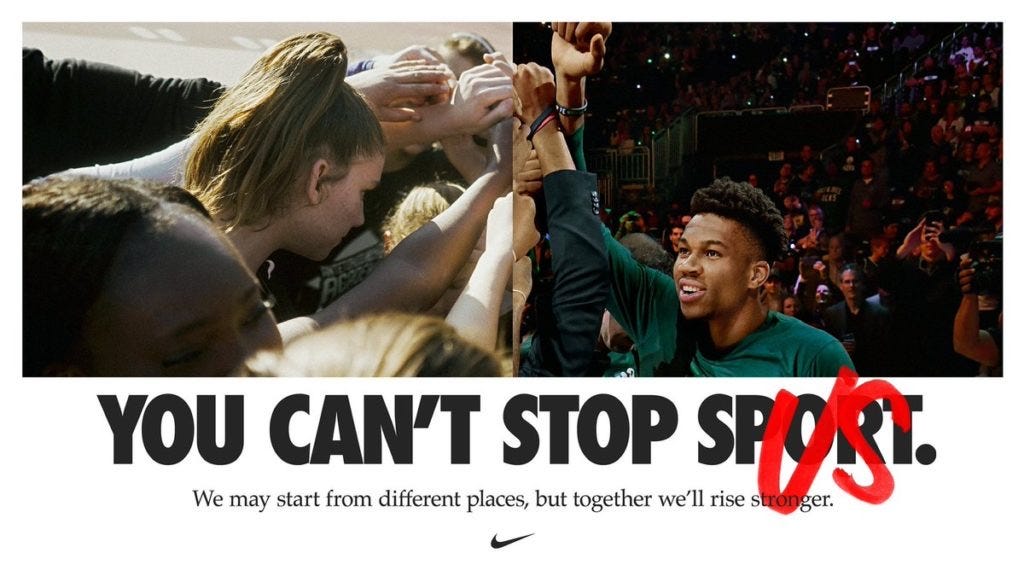
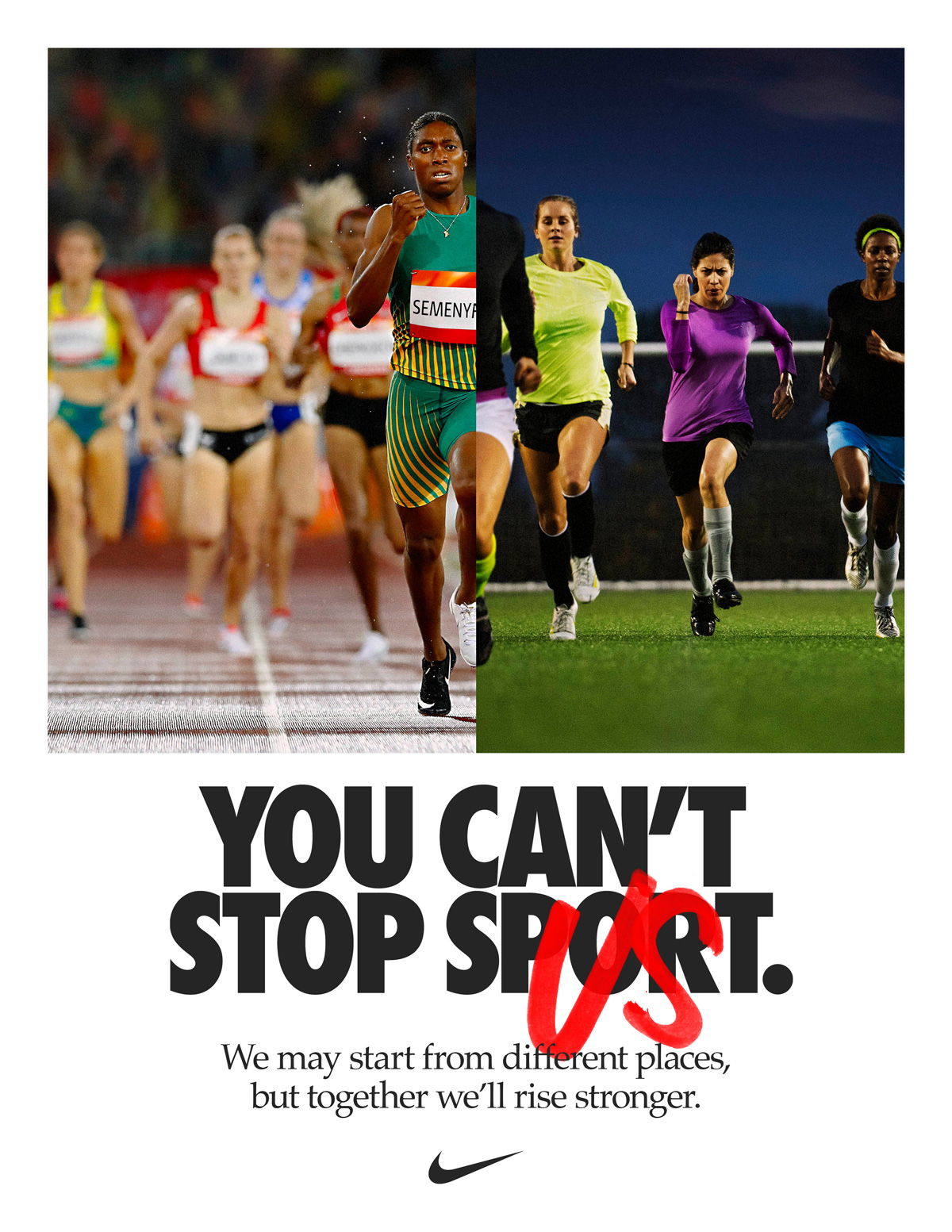
The campaign used a split-screen video composed of thousands of hours of footage. It targeted audiences interested in sports, active lifestyles, and social causes during a time of pandemic disruption and social unrest.
This campaign leaned heavily into psychographic segmentation. Nike aligned with values such as resilience, unity, and inclusivity. The video generated tens of millions of views within days and drove massive social engagement.
The success demonstrates that segmentation goes beyond demographics. It taps into shared identity and belief systems.
Why Audience Segmentation Drives Paid Social Success
Audience segmentation improves paid social performance because it:
- Increases message relevance
- Improves click-through rates
- Lowers cost per acquisition
- Boosts return on ad spend
Industry research consistently shows that personalized ads outperform generic messaging in both engagement and conversion rates. When brands layer demographic, behavioral, geographic, and psychographic data, they create campaigns that feel timely and relevant.
Nike’s strategy combines:
- Demographic targeting (age, gender, income)
- Geographic targeting (U.S., U.K., Germany)
- Behavioral targeting (site visits, purchases, app usage)
- Psychographic targeting (motivation, resilience, cultural values)
By translating SEMrush research into segmented paid social audiences, Nike can ensure that its creative, placement, and messaging align with real user behavior.
Paid social success is not about reaching everyone. It is about reaching the right someone with the right message at the right moment.
Nike continues to prove that when segmentation is strategic and data-driven, performance follows.
 Christian Schaaf's Blog + Portfolio