
Category: Writing for Interactive Media

  • Using Social Media as a Superpower

    Using Social Media as a Superpower

    Social media is more than just a tool: it’s a superpower. When used thoughtfully, it becomes a powerful way to promote other forms of communication.

    I’m sharing how I created social media posts to promote my upcoming long-form essay. Each post was designed with best practices in mind, tailoring the tone, length, and content to fit the unique style of LinkedIn, Instagram, and Threads.
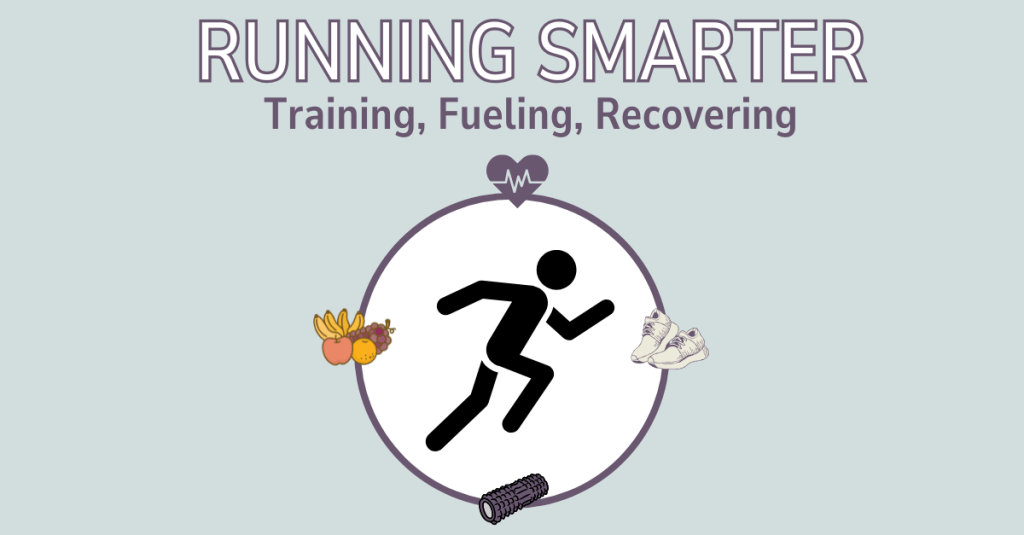

    LinkedIn

    Caption: Running is more than just hitting the pavement – it’s about strategy. To optimize performance and reduce injury, you need to focus on the three pillars of running success:

    ✅ Smart training techniques
    ✅ Proper nutrition and fueling
    ✅ Effective recovery practices

    In my latest article, I break down these principles with expert insights, research, and personal experiences to help runners at all levels achieve their goals.

    Whether you’re aiming for a personal best or staying consistent, this guide offers advice to improve your performance and keep you in the game.

    Read my findings here: (include link here).

    #RunningPerformance #TrainingTips #NutritionForAthletes #RecoveryMatters

    Rationale:

    LinkedIn is a professional platform, and this post maintains a sophisticated tone. The graphic is 1200 x 627 pixels, which is the recommended size for LinkedIn images. I used a sans serif font in the graphic to add to the professional feel of the post. The check marks create a clean and organized structure. Ending with “Read my findings here” directly encourages action. The hashtags will help those interested in sports and fitness find this post, including high-performance coaches and nutrition industry leaders.


    Instagram

    Caption: Running isn’t just about miles – it’s about strategy. 🏃‍♀️

    Key to peak performance? Smart training, proper nutrition, and effective recovery.

    My latest article dives into these ideas and offers tips for runners to stay strong, improve speed, and recover better.

    Read more by clicking the link in my bio!

    #RunningGoals #Training #RunnersLife #FitnessTips

    Rationale:

    Anna Sonnenberg’s article “Instagram Organic Content Strategy: What Works in 2023” explains that using relevant keywords is important so users can easily search for your content. The shorter caption grabs attention quickly and includes actionable keywords like “training,” “nutrition,” and “recovery.” The tone is more casual than LinkedIn. The hashtags are concise and appeal to the target audiences of runners and fitness enthusiasts. Since Instagram is a photo-sharing app, I used an actual picture and a thicker, more playful font to catch the attention of Instagram scrollers.


    Threads

    Caption: Do you want to learn the key ingredients to running success? Become the best version of you: (include link here).

    Rationale:

    Threads is used for quick updates. This new app allows up to 500 characters per post, and the more concise the post, the better. “How to Use Threads: 10 Best Practices for Success” describes that using an approachable tone and posing a question are both great strategies to engage with the younger, casual, tech-savvy users on Threads. My questions in the caption and image both invite viewers to learn more about optimizing running performance. This post appeals to younger runners and athletes who are looking to improve their fitness.


    It is important to tailor your content to each platform and write strategically so you can reach your intended audiences and boost engagement.


  • The Starting Line: Finding the Lead in Racing and Writing

    The Starting Line: Finding the Lead in Racing and Writing

    The starting line was packed. Nervous jitters and excitement traveled through my body. Hearts were racing. The only sound I could hear was my own heartbeat. And then, we were off.

    Before I knew it, I was running with professional, sponsored athletes as we bounded down the streets of Indianapolis. Crowds lined the course, their cheers electric. The energy was contagious. With all the excitement, one thought kept popping in my mind: Stick to the race plan.

    The first half of the race flew by in what felt like seconds. I tucked myself into a group of three runners, and together, we shared the work. Taking turns at the front, we discussed goals between labored breaths, forming a bond as we moved through the field.

    As we weaved through crowded streets, mile markers ticked by. When we hit mile 10, the wear and tear of the race began to set in. Grabbing water while running, I kept pushing.

    The final stretch was a blur. Soreness crept through my legs, but the sound of the cheering crowd carried me forward. With one last push, I crossed the finish line. A volunteer placed a medal around my neck, and I stood there knowing I had given it everything I had.

    I completed the half marathon.


    This week, I dove into another challenge: mastering the art of writing leads. Much like the starting line of a race, the lead sets the tone for the journey ahead. It’s a part of writing I occasionally struggle with. Sometimes, a lead comes to me naturally and I know exactly how I want to start a writing piece. Other times, it feels like I’m at mile 10, pushing through to find the right words.

    When I’m stuck, I often jot down ideas for the rest of the project or write a rough draft before circling back to the beginning. In On Writing Well, William Zinsser offers valuable advice on crafting leads: there are no strict rules, but the goal is to always engage the reader with the first sentence of your piece.

    For my race story, I leaned into storytelling – one of Zinsser’s recommended techniques. Storytelling is my favorite approach. It’s why I chose to study Communications and Graphic Design. To me, writing is like designing: my goal is to paint a vivid picture, letting readers feel like they’re experiencing every step with me.

    Of course, not every lead lands perfectly. Some ideas come together with ease, while others require more effort. My advice? Focus on capturing your audience’s attention, and don’t be afraid to revisit and refine.

    So, what do you think? Did my storytelling hook make you want to read the whole story?

  • Writing for Yourself: The Power of Simplicity and Authenticity

    Writing for Yourself: The Power of Simplicity and Authenticity

    The Audience: How Well Do We Really Know Them?
    When we write, design, or create videos, we often focus on tailoring the message to our audience. But how well can we truly define them? Sure, research can help us get closer to understanding their interests and needs, but is it ever possible to know them fully? If we can’t pinpoint every detail, how do we ensure our work will resonate with our audience?

    This week, as I read On Writing Well by William Zinsser, I encountered a thought-provoking paradox:

    You must write for yourself.

    This idea felt counterintuitive at first, even contradictory to everything I have been taught. But as I considered it, I began to understand Zinsser’s statement.

    How Can Writing for Yourself Engage an Audience?
    You might wonder, “If I only write for myself, how will my audience connect with it?” Zinsser’s answer is simple: you can’t control whether your readers will resonate with your writing style or humor. Writing for yourself doesn’t mean ignoring the audience – it means trusting that your authentic voice will attract those who appreciate it.

    In “The Source of Bad Writing,” Steven Pinker argues that confusing prose often results from writers intentionally choosing unclear language. I know this firsthand: when I come across an article packed with complex jargon, I lose interest quickly. Writers sometimes forget that their readers aren’t experts on the subject and fail to clarify concepts or terminology. As a reader, I value simplicity and clarity – qualities that bring readers in rather than push them away.

    Write Like You’re Speaking to a Friend
    One piece of advice from Zinsser particularly resonated with me:

    Never say anything in writing that you wouldn’t comfortably say in conversation.

    In college, and even high school, I used large, complex words in my writing to sound more “academic.” I thought complexity meant quality. My goal was to impress teachers and professors with my vocabulary, but I often sacrificed meaning and clarity. Did my readers fully understand? When I re-read my work, did I even understand it?

    Simplicity is Key
    If readers struggle to grasp your message, they’re likely to stop engaging with your work. Crafting simple, clear sentences is an art that takes years to perfect, but it’s well worth the effort. Zinsser reminded me that if I lose my authentic voice and can’t make sense of my own words, I lose my purpose as a writer.

    I’ll leave you with this thought: great writing isn’t about being complicated or overly polished. It’s about connecting with readers in a way that feels honest and easy to understand. So, write for yourself, stay true to your voice, and simplicity is often the most powerful choice.

  • Exploring the World of Creative Possibilities

    Exploring the World of Creative Possibilities

    From the moment Christian visited The Philadelphia Art Museum as a child, his passion for art was ignited. A trip to the Photography Impressionist Exhibit introduced him to the beauty of landscapes, people, and animals captured through photos, sparking a curiosity that would shape his future interests. He found his love for storytelling and knew that he wanted to pursue a creative career.

    Raised in the small town of Phoenixville, Pennsylvania, Christian explored his artistic interests in high school. His passion for creativity led him to courses in Art and English, where he could express himself both visually and in written form. When he was finishing high school, he did not know the exact creative path to pursue, but he knew that he wanted to blend both art and writing in his future studies and career. He was excited to dive into this next chapter, but this was also daunting since he did not know his exact path.

    Christian continued to explore these interests at Elizabethtown College, where he pursued a double major in Communications and Graphic Design. Taking courses like Visual Communications, Typography, Graphic Arts, Public Relations, and Marketing solidified his choice in pursuing these majors. Christian’s path started to become clearer, and he was eager to learn and become involved in his college’s Communications and Art Departments. His college experience was filled with unique opportunities, including hosting his own radio show, becoming a Journalism tutor, collaborating with a local business to create a company logo, and working as a tour guide in Elizabethtown’s Admissions Office.

    Following graduation, Christian began his professional journey as a Communications Specialist at a special education school and has worked there for the past two years. In this role, he manages the school’s website and social media presence, maintains consistent branding, illustrates student life through photography, and creates promotional materials for the Development Department. Every day presents new opportunities for creativity, whether he’s writing, designing, or photographing moments around campus.

    Looking ahead, Christian hopes to continue down this creative path with dreams of becoming a creative director or design manager in the sports industry. His love for running makes this a very exciting path for him, combining his interest in athletics with his passions for branding, communication, and design. Now pursuing a master’s degree in Interactive Media and Communication, Christian is looking forward to expanding his skillset, building connections, and pushing himself to think more innovatively.

  • Mastering the Art of Simple Writing

    Mastering the Art of Simple Writing

    Have you ever felt lost and confused in a sea of words, trying to decipher complicated sentences? Writing that’s both clear and inviting takes practice. This week, I took a dive into William Zinsser’s On Writing Well, uncovering techniques that transform cluttered text into meaningful, easy-to-follow prose. Here’s a look at two lessons I am going to adopt to write understandable and easily digestible blogs.

    1. Simplicity is Key
    2. Creating Structure

    Simplicity is Key

    In the past, I thought that using complex vocabulary would make my writing more sophisticated and professional. However, Zinsser argues that simplicity is the true indicator of strong writing. Cluttered words and over-complicated phrasing can easily obscure meaning. The goal should be to make your writing as easy as possible for readers to understand, making it feel like a smooth transaction between writer and reader.

    Zinsser emphasizes that clear writing requires cutting out unnecessary words, jargon, and any complex language that might confuse readers. Simplicity requires discipline, and often the final, concise product is the result of several rounds of revision. When I began working as a school’s Communications Specialist a few years ago, I experienced this firsthand. In the first website article I was asked to write, I leaned toward formal language and complex vocabulary, the style of prose that I would use throughout my college essays. My boss pointed out that simplifying my sentences would make the article more accessible to our audience. It was a lesson that stuck with me: the clearer my writing, the more powerful it becomes for the reader.

    Creating Structure

    We’ve all skimmed past a big block of text, right? I know I have. A wall of advanced words can feel overwhelming. Structure invites readers in, breaking down ideas into digestible pieces. As the article “16 Blog Rules” suggests, using headers, lists, short paragraphs, and readable font sizes is essential for online writing. This visual structure not only enhances the reader’s experience but also makes it easier to find specific information.

    The “AU Style Guide” notes that structured writing also improves search engine optimization, increasing the chances of your article reaching a wider audience. With structured, easy-to-read writing, readers are more likely to stay engaged and ultimately get the most out of what you have written.

    Final Thoughts

    Incorporating clarity, simplicity, and structure is essential to create effective communication pieces. I hope these tips make this blog post both enjoyable and easy to read. Let me know, did you find it easy to navigate and understand? Fine-tuning my writing is a work in progress. Remember, simplicity is the way to go!