This week was all about preparing to create my own mini-documentary, and the first step was figuring out what story I wanted to tell. When I decided on an idea, everything else started to fall into place: who I would interview, what I wanted to say in my narration, and what equipment I needed to bring to the shoot. Then came the fun part: planning out the shots. Medium shots, wide shots, close-ups, extreme close-ups…all the pieces that work together to build a visual story. I also had to think about how the audio would support the video so the whole project felt smooth, clear, and meaningful. Here’s a closer look at how I prepared to bring my mini-documentary to life.
Reading + Writing
To prepare for creating my mini-documentary, I read two chapters in Tom Schroeppel’s The Bare Bones Camera Course for Film and Video. These chapters highlighted the importance of getting high-quality shots through having a detailed plan before filming.
Chapter 7: Lighting
Chapter 7 explains the basics of both exterior and interior lighting and why it matters so much in filmmaking. For outdoor lighting, Schroeppel highlights how reflectors and full lights can help control the sun, which is your biggest and brightest light source. A reflector can be almost anything that bounces sunlight back onto your subject, helping soften shadows on the face. When shooting outside, fill lights should match natural daylight and have a color temperature of around 5400K, so the color of the shot stays consistent. The chapter also explains how outdoor lighting changes quickly, so filmmakers need to watch their shadows and adjust their tools to keep the shot balanced.
Interior lighting works differently because the filmmaker controls all the light sources. Schroeppel describes three common types: focusing quartz lights, broads, and softlights. Focusing quartz lights act like spotlights and can adjust intensity and beam width. Broads create a wide, even wash of light but don’t have fine controls. Softlights bounce light off a curved surface, creating a smooth and diffused glow. The chapter also reminds us of the important trio: key light, fill light, and backlight. Using only a key light creates heavy shadows, adding a fill light adds depth, and a backlight helps separate the subject from the background. In my mini-documentary, this lesson is essential because I will be interviewing my coach indoors. I need to create a lighting setup that makes her look clear and natural, reduces harsh shadows, and separates her from the background so the interview feels professional.
Chapter 9: Doing It
Chapter 9 focuses on the big picture of planning and shooting a sequence. Schroeppel starts with a simple question: What do you want your audience to feel? Knowing your story goal helps you decide what footage you need and how you want to shoot it. The chapter stresses the value of preparing a strong shooting plan before filming. This includes gathering more footage than you think you’ll need, because it’s easier to cut extra clips than try to fix gaps later. Schroeppel also talks about using a slate, anything from a clapboard to a piece of paper, to label your shots. This helps you stay organized during editing and keeps all your footage easy to identify.
The chapter also teaches how to build a shooting script using two columns: video on one side and audio on the other. This helps you match visuals with narration, interviews, and sound design. Schroeppel also prepares filmmakers for real-world challenges like working in uncontrolled environments where you can’t control everything happening around you. In those moments, it’s important to keep good composition, change up your camera angles, and maintain consistent screen direction. For my mini-documentary, this chapter ties directly into my planning process. I created a full shot list for both the interview and the b-roll, and I mapped out what narration and ambient sound would go with each clip. Because I’ll be filming at both a house and a public track, I’ll need to be flexible, watch my surroundings, and make sure I capture enough content, from close-ups of her running shoes to wide shots of her on the track, to tell a complete and engaging story.
Research to Inform
To prepare for my mini-documentary, I explored several videos that tell powerful stories through strong visuals, clear structure, and meaningful interviews. These examples helped me understand how filmmakers use pacing, b-roll, narration, and sound to guide an audience through someone’s personal journey.
1.) Nike’s “Breaking 2” Documentary Trailer
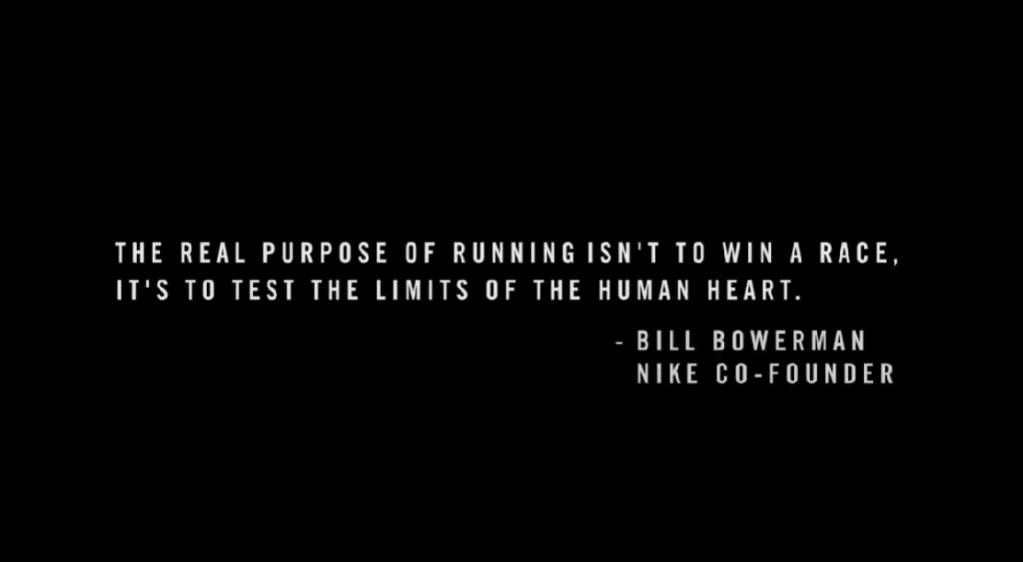
The trailer for Nike’s Breaking2 documentary sets the tone for a powerful and visually striking story about athletes attempting to break the two-hour marathon barrier. It uses a mix of close-ups, wide shots, and atmospheric visuals to build anticipation and highlight the intensity of the challenge. We see runners preparing in quiet, focused moments before the race, along with glimpses of empty roads and early morning light that signal something historic is about to happen. The pacing starts slow and controlled and gradually builds energy, supported by strong visuals that show both vulnerability and strength. What makes this trailer so effective is how it combines emotion, high stakes, and purposeful imagery to make the viewer feel the pressure and possibility of the moment. This connects directly to my mini-documentary because my coach’s journey with runner’s dystonia also involves moments of hardship, reflection, and perseverance. Watching how Breaking2 builds emotion through pacing and shot variety helps me think about how to capture her own story, showing her quiet determination, the challenges she faces, and the strength she brings to every run. It reminds me that even small, simple moments can feel powerful when they are filmed with intention.
2. HBO’s “Weight of Gold” – Trailer
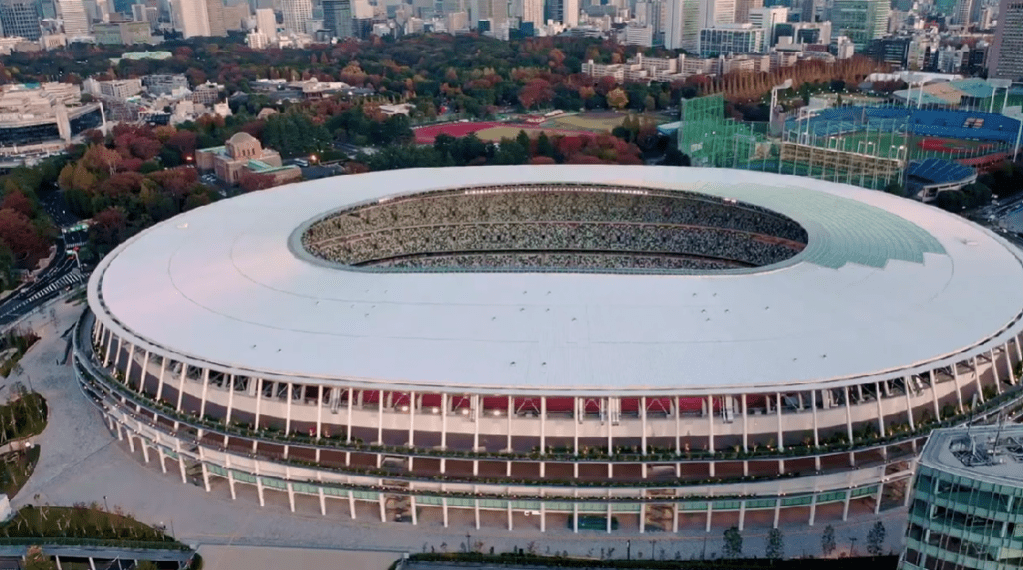
The Weight of Gold is a powerful documentary that goes behind the scenes with Olympic athletes to explore the hidden toll that elite sport can have on mental health, showing that even champions are humans with doubts, fears, and struggles. The film combines raw, honest interviews where athletes admit to depression, anxiety, and identity loss after their Olympic careers with haunting b-roll: empty arenas, silent training venues, and quiet moments of reflection. What works so well is the balance between their glamorous public achievement and the private emotional cost, which reminds viewers how much pressure and expectation lie behind medals.
For my mini-documentary about my coach’s running journey, especially her experience with runner’s dystonia, The Weight of Gold is very relevant. It shows me how a sports story isn’t only about performance or victory, but about identity, struggle, and resilience. I can borrow its approach: using honest, vulnerable interviews; capturing quiet, raw visuals that reflect internal struggle; and juxtaposing hardship with strength and recovery. This model encourages me to show not only the physical side of running (the track, the stride, the motion), but also the emotional journey: the doubts, the setbacks, and the hope.
3.) Tracksmith – Chasing 2:37 Trailer
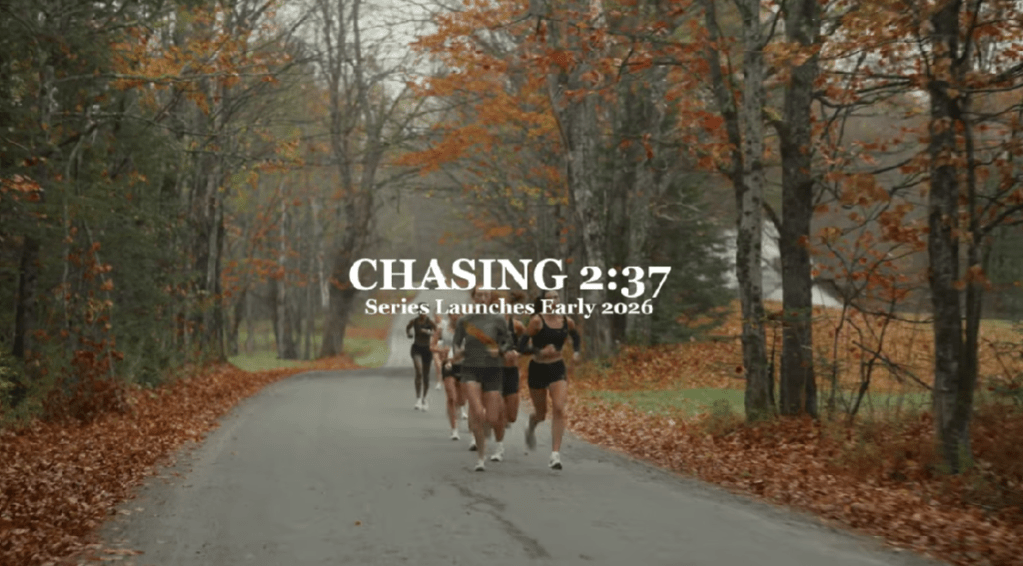
The Tracksmith video about a group of women chasing the 2028 Olympic Trials Qualifying time is a great example of strong visual storytelling. I loved how the trailer wove together multiple athletes’ backstories and used their voices as narration over dynamic b-roll, which created a sense of community and shared purpose. The filmmakers used a wide variety of shots, such as running sequences, training moments, lifestyle clips, that brought energy and depth to the story. At the same time, there were moments where the lighting felt inconsistent, especially in scenes that were darker and harder to see. This may have been a stylistic choice to create a cinematic, high-contrast mood, but it sometimes made the visuals feel less clear. I also wished the video had included interview shots of each woman who narrated, along with on-screen name graphics, so viewers could connect each voice to a face. Even though the storytelling was compelling, a few adjustments to lighting and shot clarity could make the piece even stronger. This example helps inform my own mini-documentary because it shows me the power of pairing voiceover with strong b-roll, while also reminding me to keep lighting consistent and include clear interview identifiers so my audience always knows who is speaking.
Create
Mini-Documentary Pre-Production Planning Document
After reading and researching documentary-style videos about running and sports, it was time to plan out my own mini-documentary about my coach and her experience with runner’s dystonia. I started by identifying all the key details of the project, including the due date, length, overall feel, tagline, and elevator pitch. After the creative direction was determined, I wrote a set of interview questions that would guide our conversation and help her open up about her journey. I also drafted narration to help connect the different parts of the story. From there, I created a full list of b-roll ideas, background music options, sound effects, and ambient audio that would make the piece feel more cinematic. To read my full planning document, click here.
After finishing the planning phase, I met up with my coach to film the interview and then went to a local track to capture b-roll. I shot a mix of wide shots, medium shots, and close-ups of her running, stretching, looking into the camera, tying her shoes, and even doing runner’s dystonia-specific exercises. I used a three-point lighting setup for the interview so the backlight would give her a soft glow and help separate her from the background. By the end of the shoot, I had interview footage, clear audio, and many visuals to support the story.
Now that production is complete, it’s time to begin post-production. I will spend this week editing the video and audio clips, arranging the story in a clear and emotional way, and making sure the pacing feels smooth and intentional. I am looking forward to bringing all these pieces together and telling the running story of my coach in a powerful and meaningful way.
 Christian Schaaf's Blog + Portfolio
Leave a comment