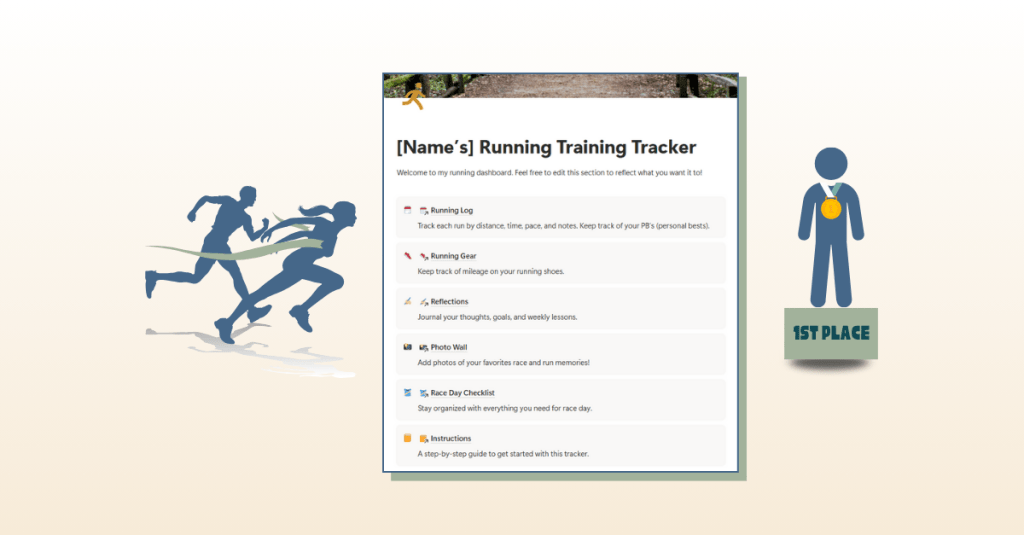
Are you in the final stretch of building a digital product? Maybe you’re working on refining the last details, deciding where to sell it, or preparing the assets you’ll need to share it with the world. That’s exactly where I found myself this week. After a few weeks of planning, prototyping, and building, my Running Training Tracker in Notion is almost ready for launch. This week was about final checks, thoughtful edits, and preparing for delivery.
Before I dive in, you can take a look at my weekly production journal where I break down every step I completed, and check out the final version of my Running Training Tracker in Notion. Let’s dive in to the best practices of editing and reviewing your digital product so your target audience falls in love with it when launched.
Why a Quality Audit Matters
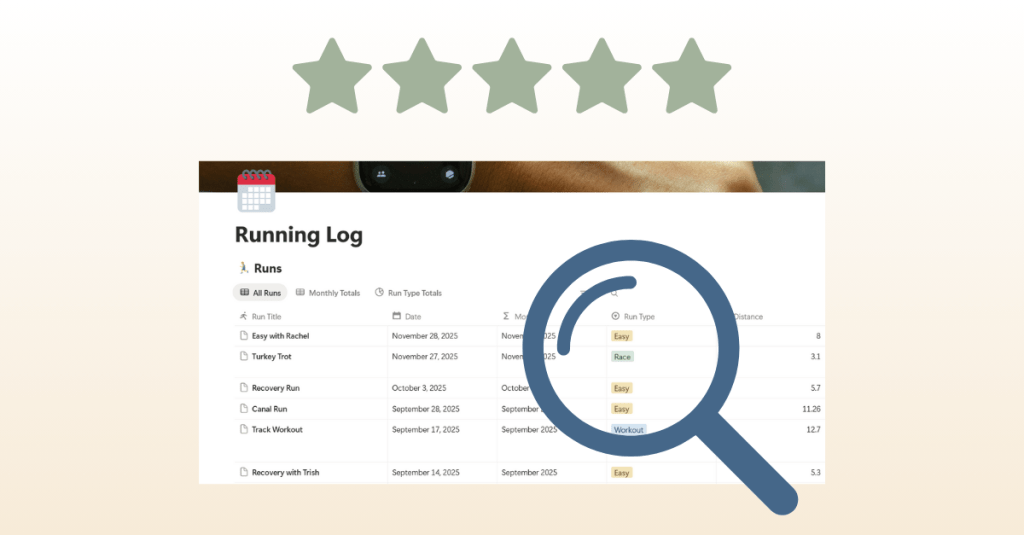
Building a digital product is exciting, but it’s easy to overlook small details when you’re deep in the process. That’s why I started this week with a quality audit. I went through every page of the tracker to check for spelling errors, formatting issues, and broken links. I tested formulas again to make sure pace calculations worked and verified that all features worked properly.
It might sound tedious, but these checks make a huge difference. Imagine downloading a template and finding half the links broken or instructions missing. It wouldn’t leave a great impression. A polished product isn’t just about design; it’s about making sure everything functions seamlessly for the user.
One piece of advice I’d share: don’t rely only on yourself for this step. When you’ve been working on something for weeks, you might miss obvious errors. Having other eyes on your project is incredibly helpful. I asked runners in my community to test the tracker, and their feedback highlighted things I didn’t noticed. For example, they suggested reordering the running log so the most recent run appeared at the top, which instantly made the tracker easier to use.
Adding the Final Features
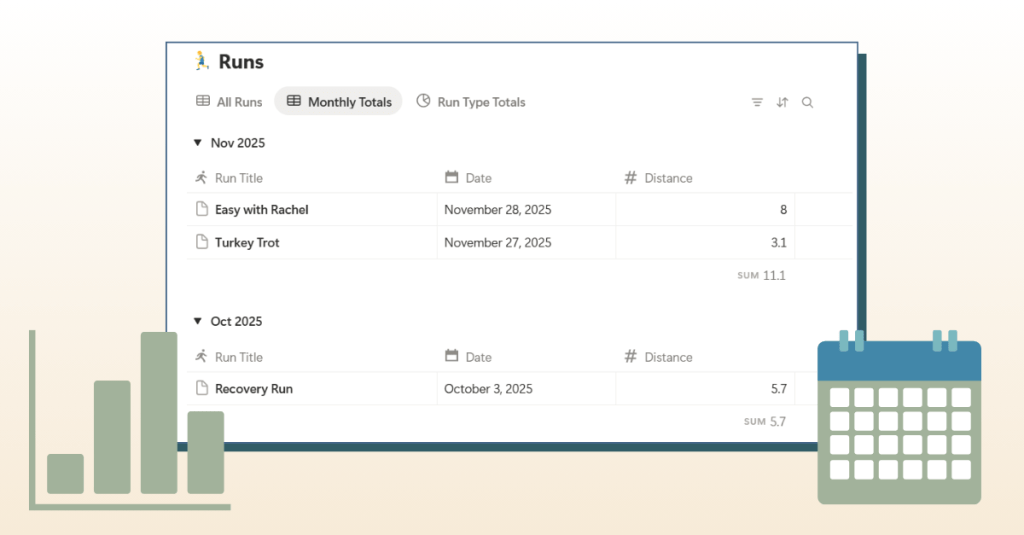
Another big focus was implementing the last suggestions from user testers. The most significant one was a feature to track monthly mileage totals. My first instinct was to build a new table, but after experimenting, I realized I could create a new view within the existing running log. This kept everything in one place and made the layout cleaner.
I also added small touches that elevate the experience: icons for tables to make the dashboard more visual, expanded sections in the photo wall and gear tracker, and updated instructions to clearly explain how to log times in the correct format. These adjustments may seem minor, but together they make the product feel polished and user-friendly.
Choosing a Sales Platform
With the product close to finished, I needed to answer another important question: where should I sell it? After researching several options, I decided on Gumroad. Here’s why:
- It has a built-in marketplace with categories like Fitness & Health and even a Running subcategory.
- I saw other Notion running templates already listed there, which means potential buyers are actively browsing.
- Gumroad makes it easy to package digital products with thumbnails, descriptions, FAQs, and even video embeds.
To prepare, I started drafting copy for the sales page and editing thumbnails. I want the page to answer key questions: What is the tracker? Who is it for? What’s included? And why should someone choose it over other tools?
If you’re looking to learn more about how to launch a product on Gumroad, check out this YouTube video breaking down the steps of setting up your sales page.
Creating Assets for Launch
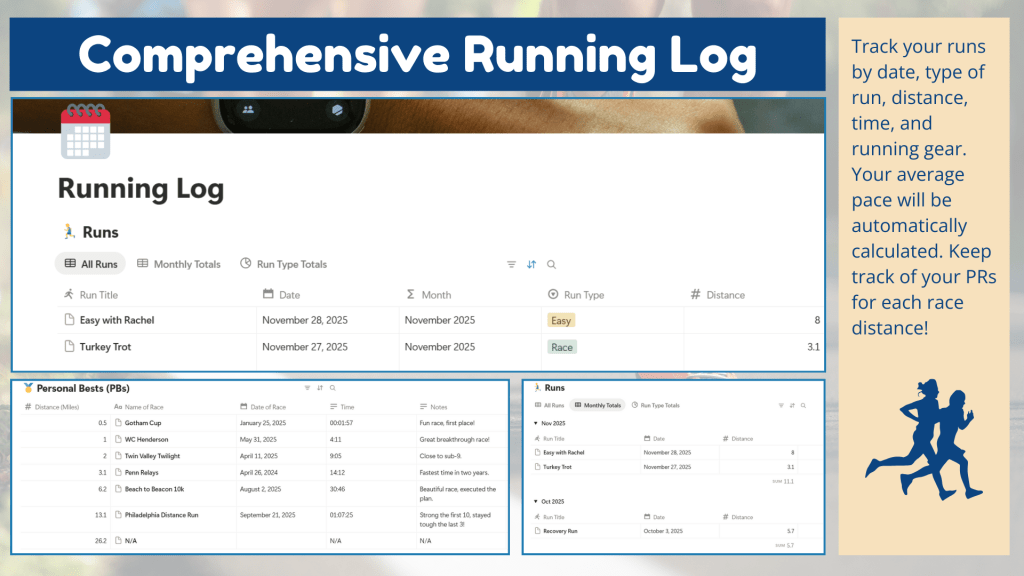
Finishing a product is only half the journey. You also need to present it in a way that’s appealing and easy to understand. This week I worked on creating assets that will bring the sales page to life:
- Mockups: Designed in Canva to show the tracker in action.
- Sales Page Copy + Video Script: Drafted in Word, covering everything from a compelling opening question to FAQs to a script for a product video walkthrough.
- Trello Project Management: My updated Trello board that kept me on track and ensured no detail slipped through the cracks.
These pieces are like the supporting cast to the main product. A great template can only sell if people see its value, and these assets help communicate that clearly.
Lessons Learned
This week reminded me of two important truths about building digital products:
- Details make the difference. Small edits, like clarifying how to log time or reordering entries, can greatly improve the user experience.
- Feedback is gold. Testing with real users is the best way to catch blind spots and discover improvements.
I also learned that finishing isn’t just about wrapping up the product itself; it’s about packaging it thoughtfully and preparing it for delivery.
Looking Ahead
Next week, I’ll be finalizing my Gumroad sales page, recording the video walkthrough, and creating promotional materials. Once those pieces are in place and completed, it’s launch time. I’m excited to take the tracker live and share it with the running community.
Building a digital product isn’t just about creating something useful. It’s also about refining, testing, packaging, and presenting it in the best light possible. That final push can feel like the toughest part, but it’s also the most rewarding.
Stay tuned as I share more about the sales page build and, soon, the official launch.
 Christian Schaaf's Blog + Portfolio
Leave a comment