Readings & Writings
This week, I read Chapters 7 and 8 in Liz Blazer’s Animated Storytelling: Simple Steps for Creating Animation & Motion Graphics.
Chapter 7: Sound Ideas
In Chapter 7, Liz Blazer emphasizes the critical role of sound in animation and motion graphics. It is essential to sync the audio with your story. Sound can paint a picture of action and help tell a story. Blazer encourages animators to have sound lead a story and not wait until the middle or end of a project to select the sound. The sound should drive the story.
In this chapter, Blazer identifies the difference between diegetic and non-diegetic sounds. Diegetic sound come from the physical world, such as a dog barking or a squeaky door, and music whose source can be seen in the scene, such as on a radio. On the other hand, non-diegetic sounds are not visible on the screen and are not natural to objects in the scene, such as a sad trombone illustrating the upset emotions of a character.
Blazer also discusses two primary strategies for incorporating sound in a project: scoring to theme and scoring against theme. Scoring to theme involves selecting music that aligns with the scene’s tone, enhancing the emotional impact of the scene. Scoring against theme uses music that contrasts with the visual elements, creating an unexpected juxtaposition that can add depth or irony to the story. Thoughtful and intentional sound design can significantly elevate the storytelling experience by reinforcing the audience’s expectations.
Chapter 8: Design Wonderland
In Chapter 8, Blazer highlights the importance of world-building in animation. Blazer offers the following techniques to help establish the rules of your animation’s world:
- Time and Place: What is the time and place of your world? What setting is your world in?
- Natural Order: What are the physical rules of your world?
- Social Order: What are the social rules of the world? Do laws exist?
- Day-to-Day Life: Where do characters work, live, eat, etc.?
- Family & Community: What do the family structures look like?
- Technology: What technological advancements exist in the world? Are there any modes of transportation? Do phones exist?
Blazer also suggests to gain inspiration from the physical world. She advises her audience to look around and explore the physical, social, and visual norms in society. In terms of motion graphics, it is essential to investigate brand values and establish visual rules. Creating and sticking to strict rules, along with finding inspiration from our world, will assist in creating immersive and cohesive worlds. By thoughtfully selecting design elements, animators can craft environments that not only support the story but also captivate viewers.
Research to Inform
To prepare for creating my stop motion animation project, I researched a few projects with effective title and end sequences along with some projects that utilized effective audio. I hope to use some of these techniques in this project and in future animation endeavors.
Text Animations
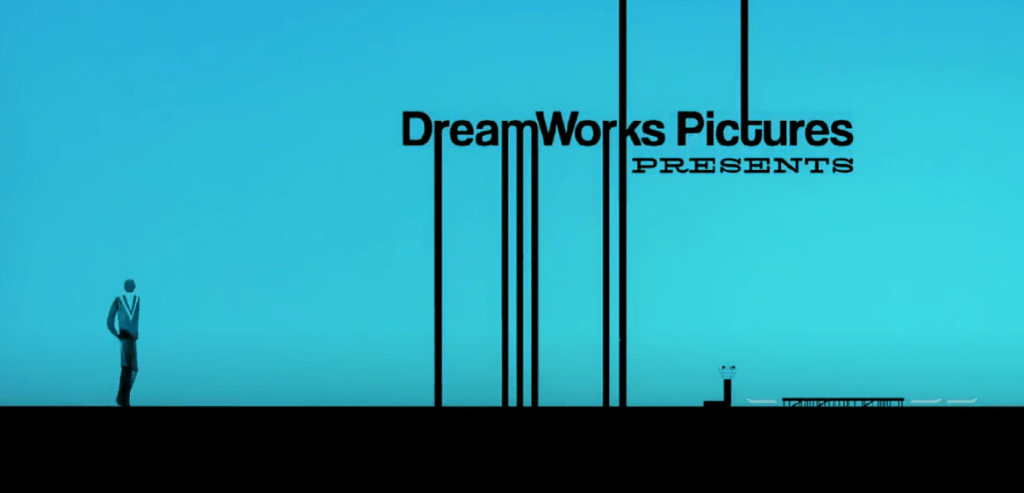
This title sequence is effective because it provides a preview of what’s to come in the movie. Catch Me If You Can, directed by Steven Spielberg, is about an impersonator and master of deception. The title sequence is fast-paced, energetic, and consistent throughout each slide. The mysterious jazzy music in the background also adds to the excitement and action that we are about to see in the film. The bold colors are eye-catching, and the moving graphics showcase that the con artist is always on the move.
2.) Spider-Man 2 Opening Credits
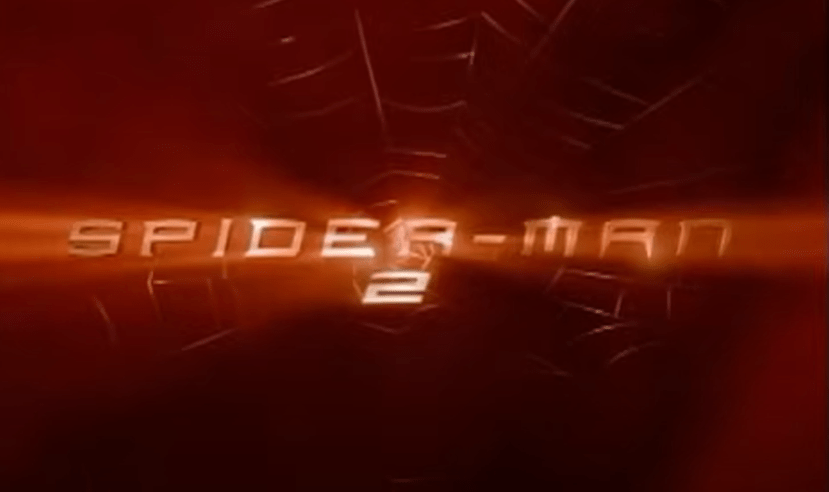
I love the consistent text animation that is used in this title sequence. The letters move in different directions, almost one-by-one, in a very fast animation. The path that the letters animate on almost creates a spider web-like image. I think this is a very useful text animation as it illustrates the main theme of the movie. In addition, the fast-paced animations along with the suspenseful, building music creates a sense of urgency and foreshadows the action in the movie. I also love the animated graphics, the use of black and red, and the slanted lines that further emphasize the web theme.
Background Music & Sound Effects
1.) Monsters Inc.
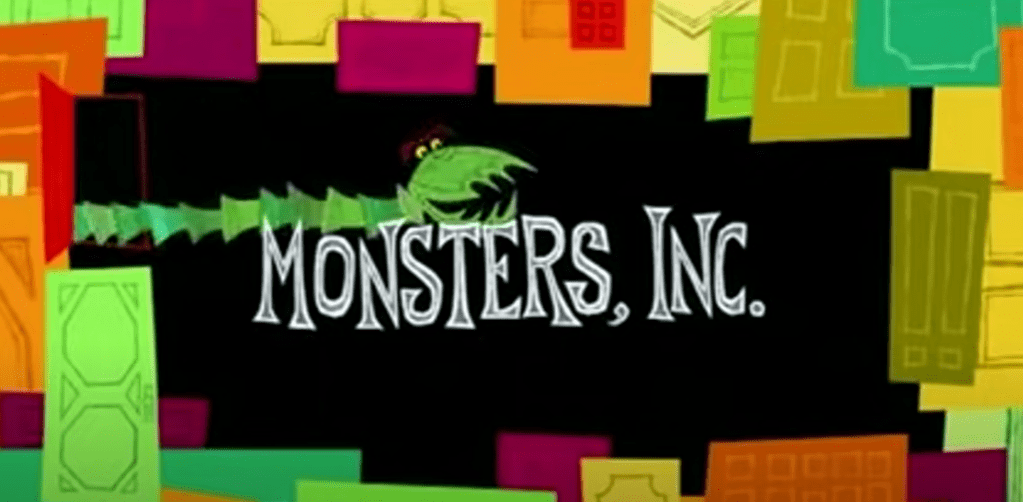
The light-hearted, fun jazz music used in this movie introduction caught my attention. At the beginning of the clip, the animations match up with each jazz note in the background. I think this is very effective and showcases that the music and animation can enhance one another and work hand-in-hand. In addition, when the “Monsters, Inc.” text is changed and hit with the monster’s tail later on in the video, there is a bump sound effect that adds to the text animation change. I think this is a great choice by the animators to create a dynamic and fun opening sequence for this hit Disney film.
2.) Captain America: The First Avenger End Credits
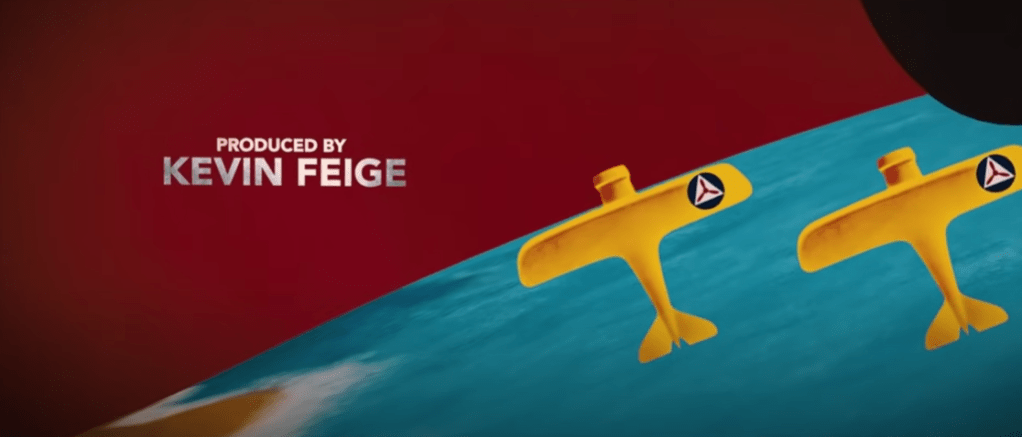
The background music used in this end sequence is upbeat and exciting, and this leaves the audience with a sense of hope at the end of the film. Since this movie is about a hero fighting for justice and freedom, the music adds to this optimistic theme. The music also has a patriotic feel to it, and this compliments the graphics in the end sequence. It is important that the music matches the theme of the project to enhance it’s overall quality and make it more realistic.
On a side note, I love the style of art in this end sequence. I think it is very well done with intricately selected music, color palette, and text.
Create
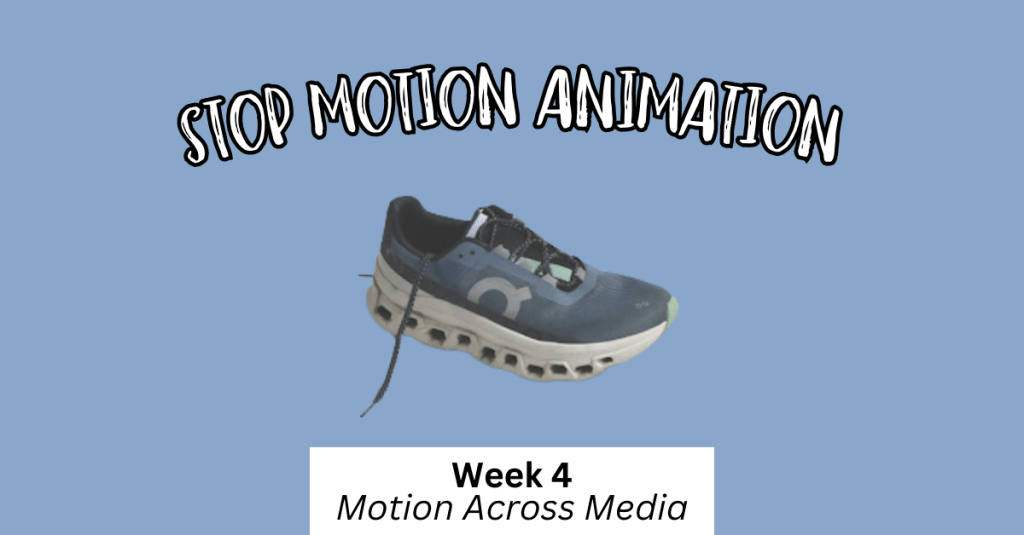
I was very excited to work on the stop motion animation project this week because I was passionate about the “Shape-Shifting Shoelace” idea. For this project, I used my Canon camera and a tripod from work. I set up blank large white sheets of paper on a flat surface to take pictures and taped the paper down to avoid any movement. I also used a white background to contrast with the dark shoelace color to emphasize the shoelace’s movements.
I took almost 900 photos in total. The biggest challenge for me with this project was moving and manipulating the shoelace. Because it’s a thin and flimsy material, it was hard to move it on and off the shoe and create shapes with it. For this reason, I decided to create more simple shapes with the shoelace. Overall, I think the hardest part was weaving the shoelace back into the shoe. I wanted to avoid moving the shoe when doing this, so that was the toughest challenge.
After finishing the production phase, I imported the photos into Premiere Pro and created title and end sequences in After Effects. For both sequences, I used a font titled “Running” for the “SHOELACE” test because the thin line design reminded me of shoelaces. I also chose a blue background to match the color of the shoe. I used the same animations in both the title and end sequence to play along with the “Book Ending” storytelling technique. I also edited the image sequence in After Effects and used the color correction tool to increase the brightness of each photo.
In terms of music and sound effects, I wanted to choose an upbeat and fast-paced soundtrack to compliment the fast-moving shoelace. With the theme of shoelaces, shoes, and running, I thought that a quick, excited soundtrack would work well in the background. The background music is from bensound.com. In addition, I decided to use three sound effects in the project to further emphasize the shapes created by the shoelace. I used a heart beat sound effect for the heart, rustling tree branches for the tree, and a hissing/rattling sound for the snake. The sound effects are all from pixabay.com. My hope is that these sound effects help communicate the shapes made by the shoelaces.
This was a fun and challenging project, and I’m happy with how it turned out. I enjoyed learning stop motion animation and furthering my knowledge in After Effects and Premiere Pro.
 Christian Schaaf's Blog + Portfolio
Leave a comment